What does an average Tuesday look like when you live close to downtown Winston-Salem? If you picture coffee within a short walk, a quick commute, and easy access to parks, museums, and evening events, you’re on the right track. In this guide, you’ll see how day-to-day life plays out across Winston-Salem’s in-town neighborhoods, what housing and transit look like, and the practical tradeoffs to consider. Let’s dive in.
What “in‑town” means here
In-town living centers on Downtown and the Arts District, the Innovation Quarter, and nearby historic neighborhoods like West End, Buena Vista, and the Old Salem area. You also have near-city pockets such as Ardmore, Southside along the Robinhood corridor, and parts of West Salem and East Winston within a few miles of the core. These areas vary in scale and feel but share closer access to cultural institutions, restaurants, and downtown jobs than most suburbs.
Downtown, Arts District, Innovation Quarter
You’ll find mixed-use blocks with apartments, condos, and lofts above storefronts. Streets feel active into the evening with restaurants, galleries, and small venues. The Innovation Quarter adds an employer and research hub, which shapes weekday rhythms and supports walkable commutes for many residents.
Historic districts nearby
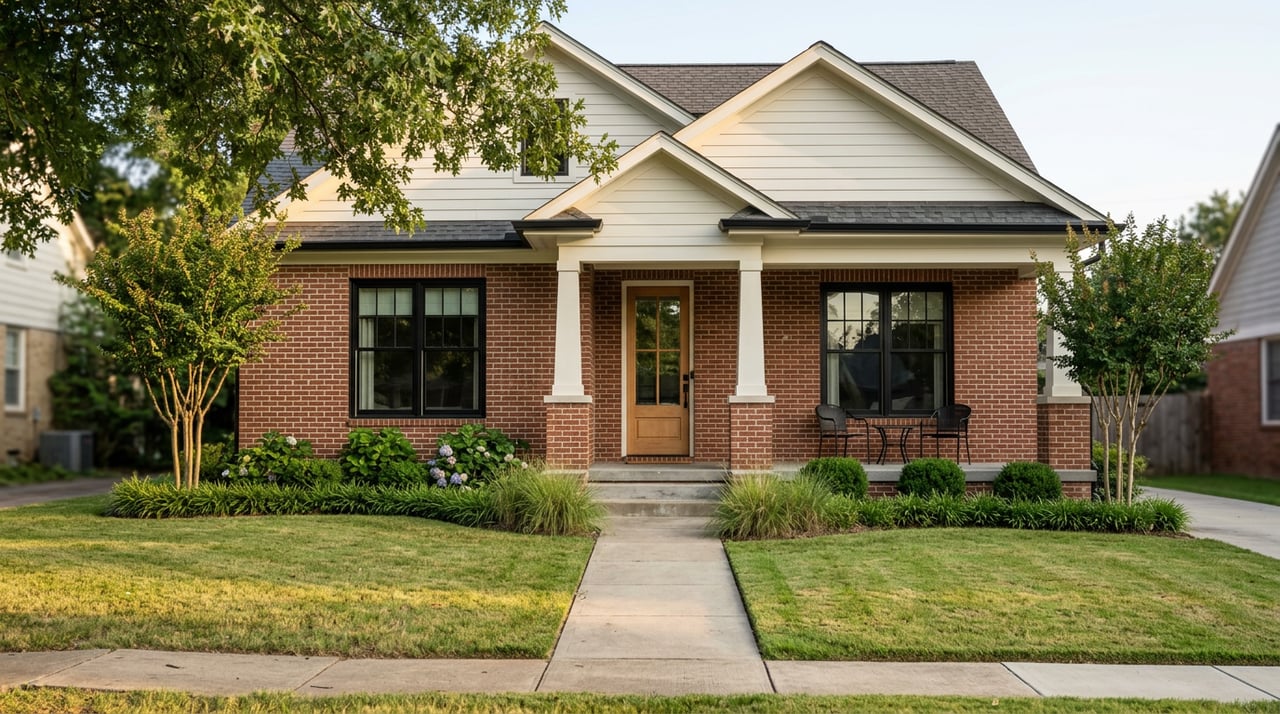
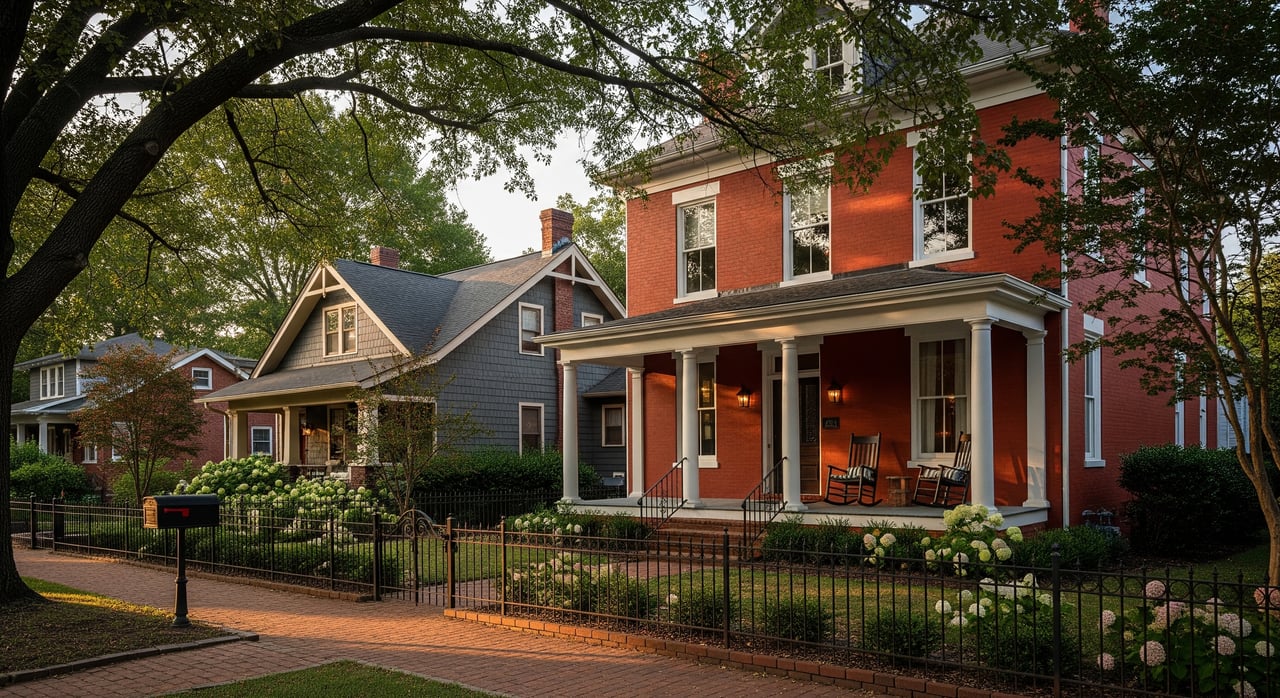
Areas such as West End, Buena Vista, and the fringe around Old Salem feature tree-lined streets and early 20th-century homes, from Victorian to Craftsman styles. Some blocks fall within historic-district review, so exterior changes may need approval. Evenings are typically quieter than the downtown core, while still offering quick access to dining and events.
Near-city residential pockets
Ardmore and corridors near universities mix single-family homes with duplexes and small rentals. You’ll see everyday convenience with neighborhood retail and nearby parks. The daily pace is residential, and commutes to the center are usually short.
Emerging infill corridors
Converted mills, renovated warehouses, and new townhomes continue to add options for people who want low-maintenance living near galleries, restaurants, and workplaces. Expect a blend of historic character and modern finishes depending on the project.
Everyday rhythm and amenities
Food, coffee, and groceries
In-town neighborhoods concentrate independent coffee shops, bakeries, and family-owned restaurants alongside regional chains. Grocery runs are practical, with national stores and smaller specialty markets nearby. On weekends, many residents add a farmers market stop for local produce.
Arts, culture, and events
Anchor institutions shape the calendar. The UNC School of the Arts and nearby Wake Forest University bring performances and galleries into daily life. Old Salem Museums & Gardens and Reynolda House Museum of American Art are major daytime stops, while frequent film, theater, and music programs keep evenings full.
Parks and greenways
You have city parks and historic gardens for weekday walks, plus greenway segments for biking and running. Salem Lake’s trail loop and municipal parks offer easy weekend recreation. Larger regional parks are within a reasonable drive when you want wider trail systems or sports facilities.
Health and fitness
Access to clinics and major medical centers is strong within the city. Local gyms, yoga, and boutique fitness studios are common around downtown and larger neighborhoods. Pharmacies and small clinics are easy to reach for everyday needs.
Getting around
Walkability and biking
Walkability is strongest in core downtown and adjacent historic districts, though it varies block by block. Many errands and dining options can be reached on foot from select streets. Cyclists mix greenway segments with on-street routes where available, while micromobility programs are often piloted and can change.
Transit and driving
The Winston-Salem Transit Authority provides local bus routes that serve downtown and key in-town corridors. For regional connections, driving is the dominant mode, with major highways linking the Triad. Typical in-town commutes run about 10 to 25 minutes locally, while regional trips can be 20 to 45 minutes or more depending on time of day.
Parking basics
Downtown offers a mix of street parking, metered spaces, garages, and lots. Some residential streets use permit programs, especially in historic or business-adjacent corridors. Always check posted rules and local permit details before relying on street parking.
Housing types and tradeoffs
What you’ll find
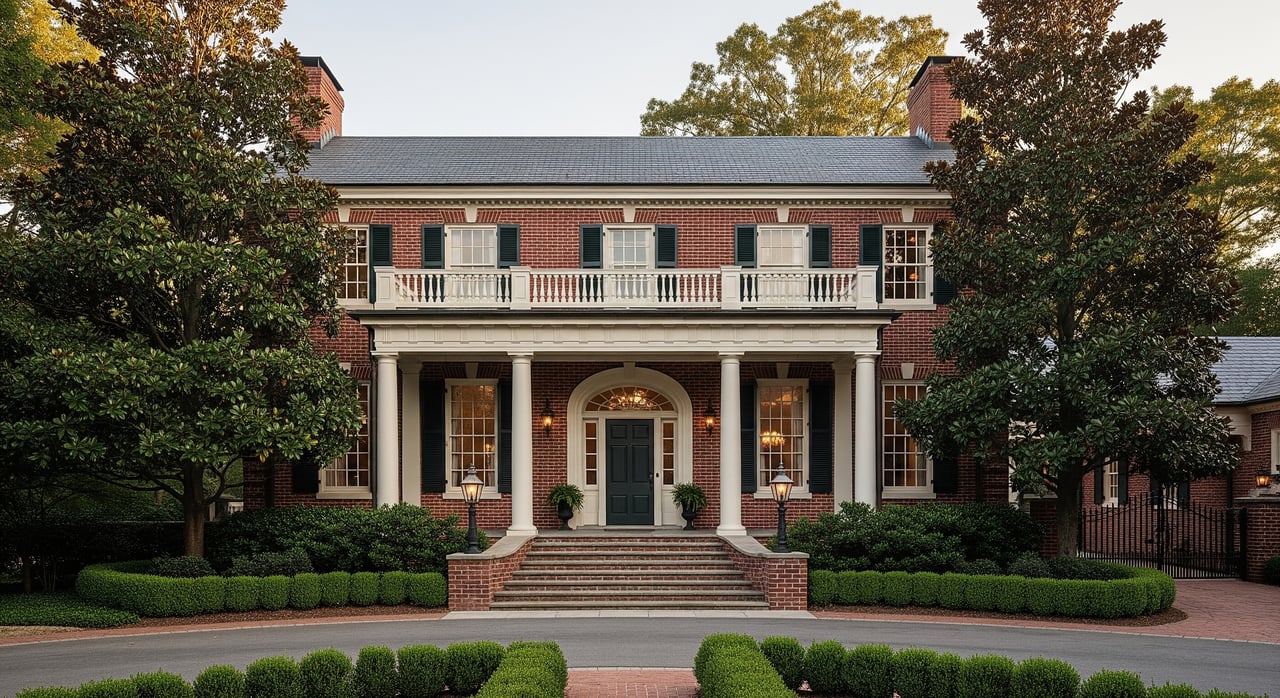
Housing types range from historic single-family homes and bungalows to townhouses, condos, and lofts in converted industrial buildings. Purpose-built rental apartments add additional choices. This diversity lets you match maintenance preferences and budget to your lifestyle.
Renters and owners
In-town neighborhoods often have a higher share of renters, including students and short-term residents. Many historic districts also have a solid base of owner-occupied homes. The mix can shift block by block.
Renovation and preservation
Several historic districts use design guidelines or review boards. If you plan exterior updates or additions, expect to follow review procedures. Older homes may require updates to systems or insulation, so factor potential improvement costs into your plan.
Affordability context
Winston-Salem has generally been more affordable than larger North Carolina metros, though prices and rents have been rising. Neighborhood-level variation is significant. Restored historic homes and new infill units near downtown tend to command premiums.
Who chooses in‑town living
- Young professional in a downtown condo: Walk to coffee, commute on foot or by bike to the Innovation Quarter, then try a gallery opening or live music after work. Weekend runs or rides often start from a nearby greenway.
- Family in a historic district: Short school drop-offs, a quick grocery run, and evenings on the porch or at a neighborhood park. Saturdays can include museum visits or a garden walk, plus a local festival.
- Student or arts resident near UNCSA: Classes and performances are close by, with transit and biking used frequently. Budget-friendly eateries and late rehearsals shape daily schedules.
- Retiree or empty nester in a bungalow: Walk to dining and cultural events, with parks and volunteer opportunities nearby. The pace is flexible and amenities are close.
How to pick your fit
- Define your daily routine. List how often you walk to coffee, dine out, or attend arts events.
- Test commute windows. Drive or ride during your typical rush to see real travel times.
- Try a weekend loop. Visit a park, hit a market, and walk a few blocks to gauge the vibe.
- Check parking and permits. Confirm options for guests, second cars, and daytime restrictions.
- Review school details. Use official district resources for assignment maps and performance data.
- Confirm historic rules. If you like older homes, review design guidelines before planning changes.
- Weigh noise and yard needs. Core blocks feel livelier; historic streets often have smaller yards.
- Compare housing types. Decide between low-maintenance townhomes or the character of a historic house.
Resources worth saving
- City of Winston-Salem Planning for neighborhood maps and greenway planning.
- Winston-Salem Transit Authority for routes and schedules.
- Winston-Salem/Forsyth County Schools for assignment and performance information.
- UNC School of the Arts, Reynolda House Museum of American Art, and Old Salem Museums & Gardens for cultural calendars.
- U.S. Census Bureau American Community Survey for commuting and demographic context.
Work with a local guide
If you want the walkable energy of downtown, the charm of a historic street, or a low-maintenance townhome near arts venues, local guidance makes the difference. Our team helps you compare blocks, understand parking and historic guidelines, and plan for renovation or low-upkeep living. For a practical, neighborhood-first plan tailored to your goals, connect with Marcus Lane.
FAQs
How walkable are Winston-Salem’s in-town neighborhoods?
- Walkability is strongest downtown and in adjacent historic districts, but it varies by block, so plan on visiting streets you’re considering at different times of day.
What are typical commute times from in-town Winston-Salem?
- Many in-town residents see 10 to 25 minutes locally, with regional trips to nearby cities often 20 to 45 minutes or more depending on traffic.
What should I know about schools near in-town neighborhoods?
- School assignment zones and performance vary by address, so use official district resources to review maps and data for the homes you are considering.
Is parking difficult in downtown-adjacent areas?
- Expect a mix of metered street parking, garages, and residential permit programs; always check posted rules and confirm permit eligibility for your address.
Are there greenways and parks close to in-town areas?
- Yes, a developing greenway network connects to parks and destinations, with options like Salem Lake’s trail and city parks for weekday and weekend recreation.