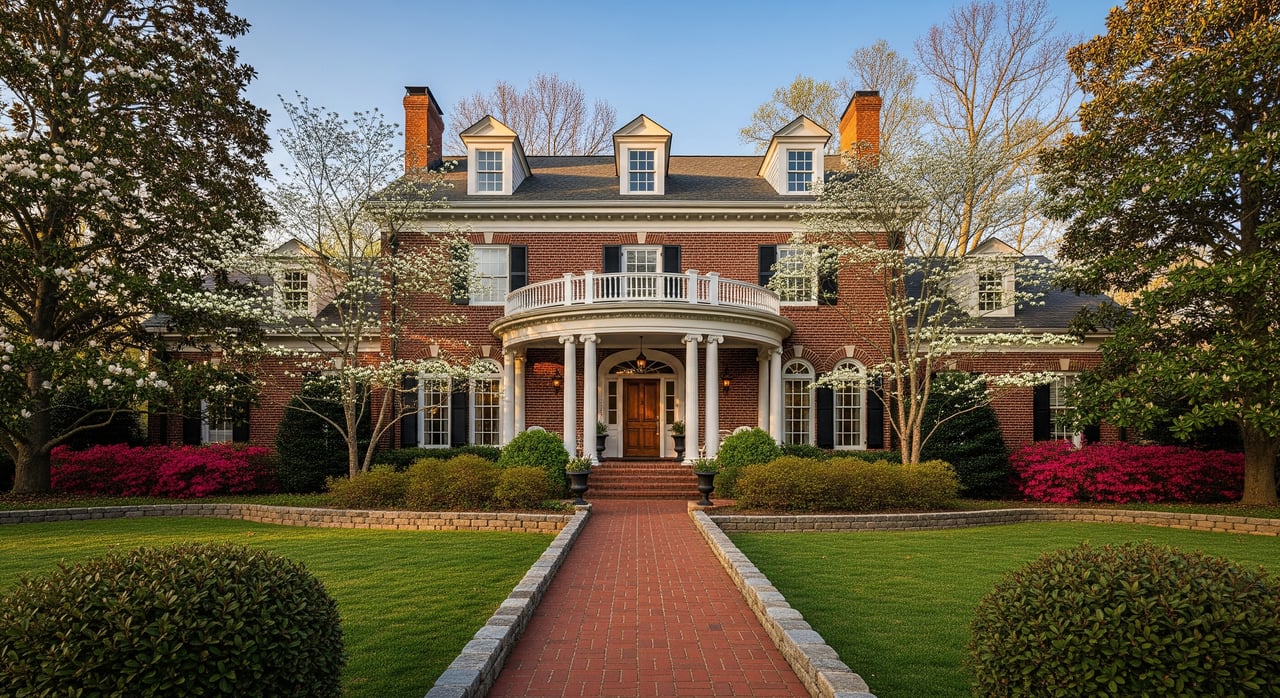
Trying to pick the best month to sell your Greensboro home? Timing can shape how many buyers come through your door, how quickly you receive offers, and how much leverage you have when you negotiate. You want a plan that fits your goals, your timeline, and the rhythm of Guilford County. In this guide, you’ll learn the best listing windows by objective, how local schools and weather affect demand, and simple prep timelines that set you up to win. Let’s dive in.
Best months to list
Spring is typically the strongest selling season in Greensboro. National research shows buyer activity peaks in spring, and that pattern holds across the Piedmont Triad. The National Association of Realtors notes that seasonal trends lift buyer traffic and shorten days on market in many cities, including ours. You can explore national seasonality research through the NAR data hub for context on why spring often brings faster sales and stronger offers (NAR research and statistics).
Spring advantage (March–May)
- More active buyers often means more showings in the first two weeks.
- Stronger first offers can improve your leverage on price, contingencies, and closing date.
- Curb appeal is at its best with spring bloom, fresh mulch, and bright photos.
Early summer momentum (June)
- Buyers who started in spring stay active as they aim for summer closings.
- Families try to move before the school year begins, which supports demand.
- Competition from other listings rises, so presentation and pricing matter.
Late summer and fall (July–October)
- Showings can slow after July 4 and into August heat, though motivated buyers remain.
- Fall provides pleasant weather and less competition than peak spring months.
- Pricing must reflect slightly thinner buyer traffic to keep days on market low.
Winter opportunities (November–February)
- Fewer listings can help a well-priced home stand out.
- Buyers touring in winter are often highly motivated due to life changes.
- Expect fewer showings and plan for crisp pricing and strong marketing.
Align with school calendar
Many Greensboro moves are timed around the Guilford County Schools calendar. Families prefer to close in late July or early August so students can start the new year on time. To hit that target, you typically want to list in late spring or early summer to allow contract and closing time. You can check official district dates and calendars at the Guilford County Schools website for planning purposes (Guilford County Schools).
Plan around weather and curb appeal
Greensboro’s climate helps your photos and showings in spring and early fall. Mild temperatures and blooming landscapes support outdoor staging, fresh mulch, and inviting patios. Summers are hot and humid, so you should prioritize working air conditioning and humidity control for comfortable showings. For general climate context and seasonal patterns, see resources from the National Oceanic and Atmospheric Administration (Climate.gov).
Rate trends to watch
Mortgage rates affect buyer affordability and can amplify or mute seasonal patterns. A move in rates can change how many buyers are looking and how quickly offers come in. If you plan to list three to six months from now, check the Freddie Mac Primary Mortgage Market Survey for weekly rate snapshots so you can adjust your pricing and timeline if needed (Freddie Mac PMMS).
Pros and cons by season
Spring and early summer
- Pros: highest buyer traffic, strong curb appeal, faster offers.
- Cons: more competing listings, so you must stand out on presentation.
Late summer and fall
- Pros: pleasant weather, slightly less competition, motivated buyers remain.
- Cons: showings can be steadier, not spiky, so be patient and price to the moment.
Winter
- Pros: fewer active listings, serious buyers, potential for smooth negotiations.
- Cons: lower showing volume, holidays can disrupt schedules.
Prep timeline: 6 months out
If you want to maximize price and minimize surprises, give yourself time to prepare.
- Month 6: Meet your agent to set strategy and pricing. Consider a pre-listing inspection to surface needed repairs. Line up contractors for roof, HVAC, or electrical as needed.
- Month 5: Complete major fixes. Start simple upgrades such as neutral interior paint, lighting refreshes, and flooring touchups. Map a landscaping plan for spring growth.
- Month 4: Deep clean and declutter. Start storage solutions and staging planning. Fine-tune minor repairs like hardware, grout, and door adjustments.
- Month 3: Final staging plan. Book professional photography and gather marketing details. Set your open house schedule.
- Month 1–0: List the home. Prioritize showing access, review feedback in week one, and be ready to respond quickly to interest.
Prep timeline: 3 months out
If you need to move faster, focus on high-impact items.
- Month 3: Strategy session with your agent. Order a quick inspection or contractor walkthrough to target the biggest issues.
- Month 2: Complete the top repairs, stage key rooms, trim and mulch landscaping. Schedule professional photos.
- Month 1: Finalize pricing and go live. Capture feedback in the first 10 to 14 days to adjust if needed.
High-impact quick wins
- Fresh neutral paint in main living areas.
- Deep clean, declutter, and organize closets.
- Exterior tune-ups: mulch, trim, pressure wash, clean windows.
- Professional photos and a simple digital tour.
- HVAC service and filter change before summer heat.
Open houses and showings
- Weekends draw the widest local traffic. Spring Saturdays are often strong for Greensboro buyers.
- Early evening showings Monday through Thursday help working buyers.
- Avoid launches right before major holidays or three-day weekends when travel pulls buyers away.
Avoid crowded weeks
A few weeks tend to be slower for showings in the Triad. Plan around them when possible.
- The week of July 4 often sees reduced traffic.
- Labor Day weekend can be quiet as families travel or settle into the school routine.
- Late November through New Year’s typically slows unless buyers are very motivated.
Pricing and leverage by timing
In high-traffic months, strong first-week interest can improve your position on price and contingencies. In slower months, you can still achieve a smooth sale by pairing market-right pricing with standout presentation and broad exposure. Your goal is to attract serious buyers within the first two weeks, then negotiate cleanly toward your ideal closing date.
When winter works
Not every sale needs spring. If you want fewer competing listings or you are selling a turnkey home that photographs beautifully year-round, winter can be effective. The buyers who are active then are often moving for jobs or life changes, which can support more predictable timelines. Just be realistic about showing volume and build a pricing plan that meets the market where it is.
Neighborhood and price-point nuance
Different buyer groups move on slightly different schedules. Family-oriented suburbs often see peak demand in spring and early summer as buyers plan for August school starts. Downtown condos and townhomes can be less seasonal since many buyers are timing moves around work and lifestyle. Entry-level homes tend to have steadier demand year-round, while higher-price or unique homes may need more lead time and a tailored launch plan.
Inspection and disclosures in NC
North Carolina requires specific seller disclosures. In Guilford County, many sellers benefit from a pre-listing inspection so issues are addressed before negotiations. Talk with your agent and closing attorney about state-required forms and customary local practices so you can avoid delays once you accept an offer.
Your best listing window
- Max price and multiple offers: Aim to list March through May, with April and May often the sweet spot. Prep in late winter to be first to market.
- Family move aligned to school year: List in late spring or early summer so you can close by late July or early August.
- Quick sale: If speed matters more than season, price to the market and consider periods with fewer competing listings. Be ready for fewer showings but motivated buyers.
Ready to map your timeline to your goals? Book a quick planning call and we will build a month-by-month checklist for your home, your neighborhood, and your target closing date.
If you want grounded, local guidance and professional marketing in the Triad, connect with Marcus Lane. Book a free consultation and let’s plan your best listing window in Greensboro.
FAQs
What is the best month to sell a house in Greensboro?
- Spring months, especially April and May, typically offer the most buyer traffic and stronger first-week offers based on national seasonality trends shared by the National Association of Realtors.
How should Greensboro sellers time a move around schools?
- To move before the new school year, list in late spring or early summer so you can close in late July or early August, using the Guilford County Schools calendar as your guide.
Do mortgage rates change the best time to list in Guilford County?
- Yes. If rates fall, buyer activity can rise even off-season; if rates rise, demand may cool in spring. Monitor weekly updates from the Freddie Mac PMMS to adjust timing and pricing.
Is winter a bad time to sell a home in Greensboro?
- Not always. Winter brings fewer listings and motivated buyers. You may see fewer showings, so pair strong presentation with market-right pricing and flexible showing access.
How far in advance should I prepare my Greensboro home?
- If possible, start six months out for repairs and landscaping that need lead time. With three months, focus on high-impact upgrades like paint, deep cleaning, staging, and professional photos.