If you want city energy without the scale of a major metro, living near Winston-Salem’s arts and innovation districts can feel like a smart middle ground. You get a mix of downtown convenience, historic character, and a neighborhood landscape that changes from block to block. Whether you are thinking about buying close to the Arts District, exploring Innovation Quarter, or comparing nearby in-town neighborhoods, understanding how these areas function can help you make a better move. Let’s dive in.
Why this area stands out
Winston-Salem’s downtown core is not just one district with one vibe. The city’s 2023 Downtown Plan treats the Arts District, Fourth Street, Industry Hill, and Innovation Quarter as connected parts of a compact core. That gives you access to a more walkable urban experience, with different pockets offering their own mix of housing, dining, culture, and daily convenience.
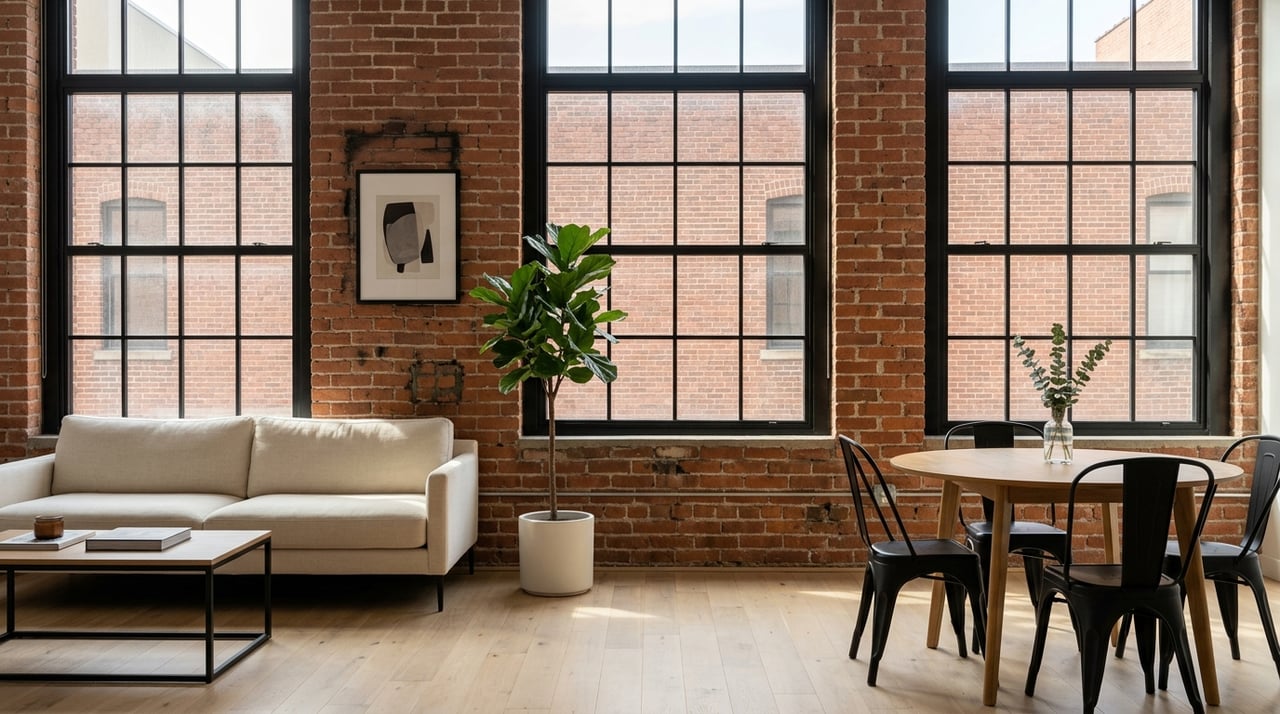
Innovation Quarter sits on downtown’s east end and describes itself as a mixed-use district with more than 1,000 places to live. That matters if you want options that include renovated industrial spaces, historic buildings, and newer construction. Instead of choosing between downtown access and neighborhood personality, you may find a blend of both.
What daily life looks like
One of the biggest draws here is how close everything sits together. The city says downtown’s compact footprint supports movement between districts, and Innovation Quarter notes that its apartments are within walking distance of restaurants, nightlife, entertainment, and urban green space. If you like the idea of doing more on foot, this part of Winston-Salem supports that lifestyle better than many spread-out suburban areas.
That said, car-light does not always mean car-free. The area includes bus access, on-street parking, nearby parking decks, and bike and greenway connections. In practical terms, you may still want to think carefully about parking, especially if your routine includes commuting, frequent guests, or a building with limited dedicated spaces.
Walkability and connections
Living near these districts can make everyday errands and outings feel simpler. You may be able to walk to dinner, meet friends for coffee, or head to a performance without planning a long drive. That kind of convenience can shape your routine in a meaningful way.
The city also continues to focus on better pedestrian connections between districts. According to the Downtown Plan, improvements tied to sidewalks, storefront activity, micro-mobility, and connectivity are part of the next phase of downtown growth. For buyers and sellers, that signals an area that is still evolving rather than standing still.
Green space nearby
Urban living here also comes with real access to outdoor space. Winston-Salem reports more than 25 miles of greenways, and the Long Branch Trail runs through Innovation Quarter to Salem Creek Greenway. That gives you a practical option for walking, biking, or simply getting outside without leaving the city core.
The Strollway links Fourth Street with Old Salem and Salem Avenue, which helps connect arts, history, and outdoor movement in one route. Washington Park also connects to Salem Creek Greenway and Gateway Nature Preserve, a 19-acre urban wildlife habitat near downtown. If you want a downtown-adjacent lifestyle that still leaves room for nature, this area offers more than many people expect.
Arts and culture are part of the lifestyle
In this part of Winston-Salem, culture is not something you drive across town to find. It is woven into the experience of living nearby. That can be a real advantage if you want your neighborhood to feel active, creative, and locally rooted.
The downtown Arts Council campus includes Hanesbrands Theatre, the Milton Rhodes Center for the Arts, three performing arts venues, two art galleries, the Community Arts Gift Shop, and Sawtooth School for Visual Art. UNCSA’s Stevens Center is also downtown, adding another major performance venue to the core.
Old Salem Museums & Gardens adds a historic dimension to the area, while DADA promotes a First Friday Gallery Hop and a self-guided mural and public art tour. Events like ART CRUSH also bring visual art into the street scene. For residents, that means the neighborhood experience often includes more than housing and restaurants. It includes a steady cultural rhythm.
Dining and nightlife have a local feel
If you enjoy independent food and drink spots, this area has a strong local identity. The Arts District says the blocks between Fifth and Seventh Streets include chef-driven restaurants, craft cocktail bars, local breweries, and cafés. That gives nearby residents a dining scene with variety and a sense of place.
Innovation Quarter also includes dining options in its tenant mix, such as Alma Mexicana and Cugino Forno. For someone comparing neighborhoods, this can make a difference in how often you actually use nearby amenities. Convenience matters, but so does whether those places feel like somewhere you want to return to regularly.
Housing options vary by block
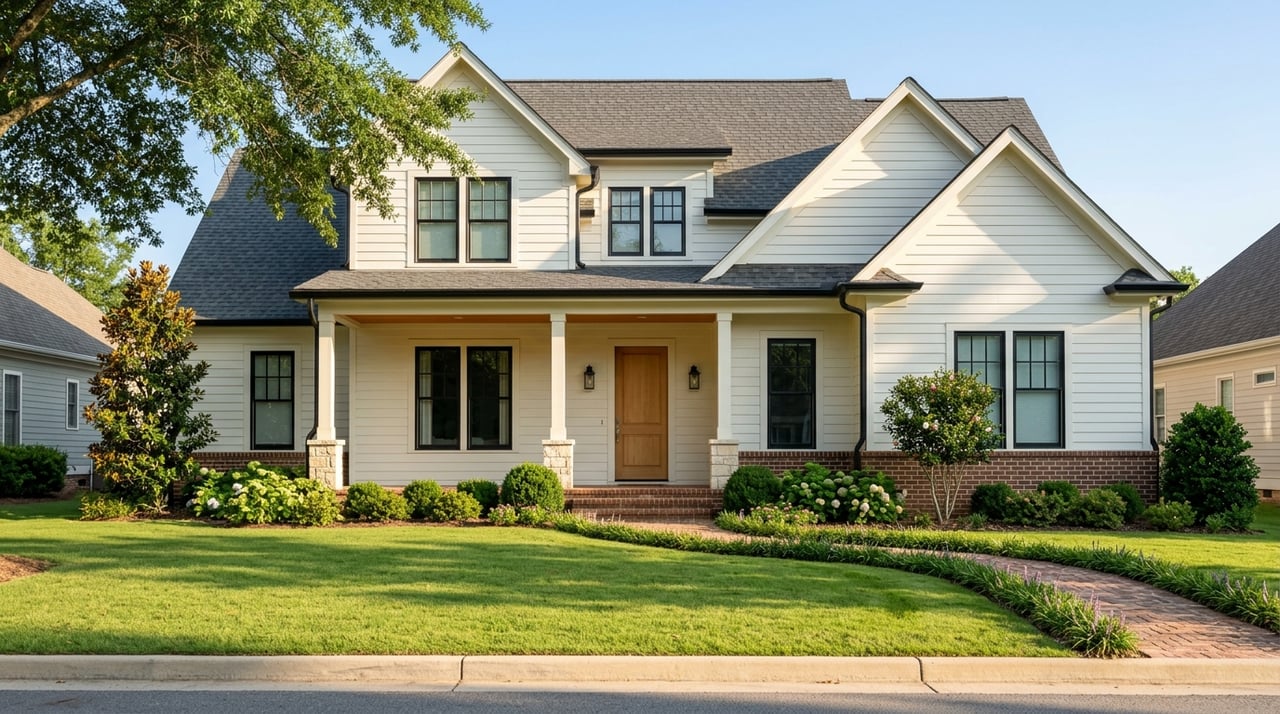
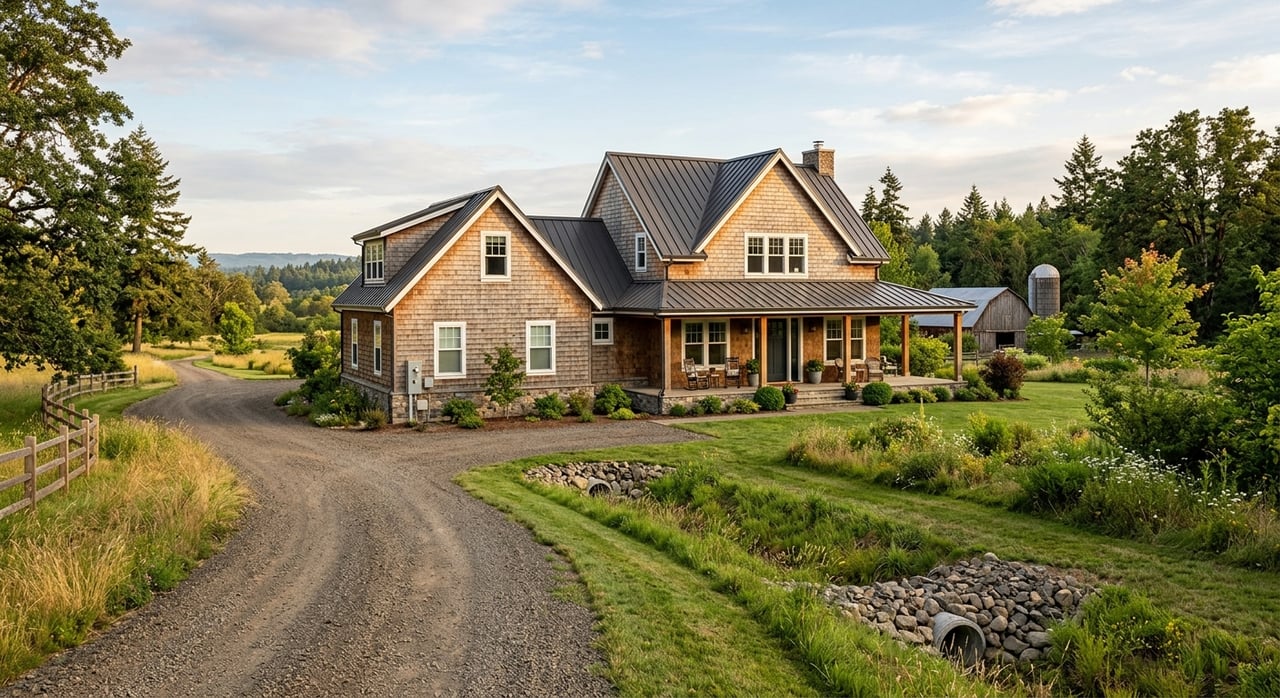
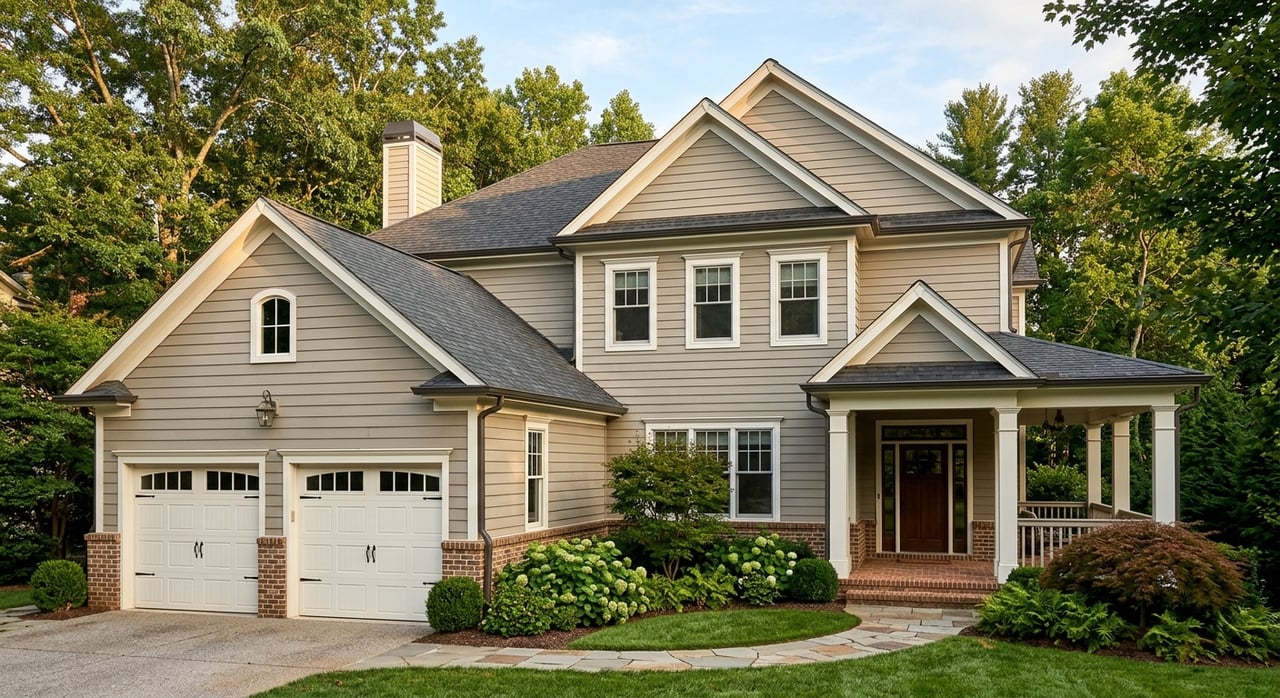
One of the most important things to know is that there is no single housing type tied to Winston-Salem’s arts and innovation districts. You can find downtown lofts and apartments, but you can also find detached homes in nearby in-town neighborhoods. Your best fit depends on how you want to live day to day.
Innovation Quarter says its housing includes renovated factories, historic buildings, and newer construction. That creates an appealing range for buyers who want urban style, lower-maintenance living, or a building with character. If you prefer more yard space or a traditional home layout, nearby neighborhoods may offer a better match while still keeping you close to downtown.
West End
West End is known for physical features like curving streets, terraced lawns, stone retaining walls and steps, granite curbs, ornamental parks, and mature vegetation. The city’s design guidelines identify architectural styles that include Queen Anne, Neoclassical Revival, Colonial Revival, Tudor Revival, American Foursquare, and Craftsman.
If you are drawn to historic homes and established streetscapes, West End offers a distinct visual identity. It can appeal to buyers who want charm and proximity to downtown in the same package.
Washington Park
Washington Park is described in its National Register nomination as one of North Carolina’s finest early-twentieth-century streetcar suburbs. It includes tree-shaded streets, broad lawns, and a wide mix of home styles, including Victorian, Queen Anne, Shingle, Neo-classical Revival, Craftsman, Colonial Revival, Moravian Revival, and Tudor Revival homes.
This neighborhood can feel more residential while still remaining well connected to downtown amenities and the greenway system. For many buyers, that balance is a major part of the appeal.
West Salem
West Salem combines workers’ housing, neighborhood stores, Craftsman bungalows, and more modest Minimal Traditional and vernacular forms. That variety can create opportunities for buyers who want character without focusing only on larger historic homes.
Its location near downtown also makes it relevant for anyone who values access to the city core but prefers a more traditional neighborhood setting. As always, exact block and property condition matter.
Ardmore
Ardmore includes bungalows, Colonial Revival, Tudor Revival, Mediterranean Revival, American Foursquares, and even an early Art Moderne house. The range of styles gives the neighborhood broad architectural interest.
For buyers comparing in-town options near Winston-Salem’s arts and innovation districts, Ardmore is another neighborhood where housing choice becomes very specific by street and home style. That is one reason local, property-level guidance matters here.
Why historic status matters
If you are buying or selling near downtown Winston-Salem, historic status is not just a label. The city explains that local historic districts are zoning districts with regulations on exterior changes, and the Historic Resources Commission reviews Certificates of Appropriateness in historic overlay districts.
That means two homes with similar location appeal can come with very different expectations after closing. Old Salem is identified by the city as North Carolina’s first local historic district, and West End is a Historic Overlay district. If you plan to renovate, update exterior features, or market a home based on future improvement potential, those details should be reviewed carefully.
What buyers should pay attention to
Buying near Winston-Salem’s arts and innovation districts is often about tradeoffs. The right choice depends on what matters most in your routine and long-term plans.
Here are a few key things to compare as you search:
- Building type: Loft, apartment, condo-style living, or detached house
- Parking setup: On-street, deck access, private driveway, or dedicated spaces
- Historic status: Whether exterior changes may be reviewed or limited
- Block-level feel: Active commercial corridor versus quieter residential street
- Outdoor access: Proximity to trails, parks, and greenways
- Walkability: How often you can realistically leave the car behind
A neighborhood can look ideal on paper but function differently once you factor in parking, noise, building rules, and your everyday habits. That is why touring with a clear checklist helps.
What sellers should keep in mind
For sellers, these areas benefit from clear positioning. Buyers are often not just choosing a house. They are choosing a lifestyle tied to walkability, dining, culture, historic character, or access to downtown employers and amenities.
The city’s Downtown Plan also makes clear that downtown is still evolving, with recommendations tied to more housing variety, adaptive reuse, stronger storefront activity, better parking, more public art, trees, landscaping, sidewalk dining, and food scene growth. That means buyers may have questions about where the area is headed, not just where it stands today.
When your home is near these districts, the strongest marketing often starts with the practical details buyers care about most. That includes how the block feels, what is nearby, what the housing style offers, and whether any historic overlay rules affect future changes.
Why local guidance makes a difference
This part of Winston-Salem rewards local knowledge. A few blocks can change the housing style, parking reality, renovation flexibility, and day-to-day feel in a big way. General market advice is helpful, but neighborhood-specific guidance is often what makes the difference between a good fit and a frustrating surprise.
That is especially true in a downtown-adjacent area that is still growing and changing. If you are buying, you want to understand how a property fits your lifestyle. If you are selling, you want your home presented in a way that highlights what makes its location and setting valuable.
If you are thinking about buying or selling near Winston-Salem’s arts and innovation districts, Marcus Lane can help you compare neighborhoods, evaluate property-specific details, and move forward with clear local insight.
FAQs
What is it like living near Winston-Salem’s Arts District and Innovation Quarter?
- Living near these districts usually means being close to a compact downtown core with walkable access to restaurants, arts venues, entertainment, green space, and a mix of housing types.
What housing types are available near downtown Winston-Salem’s arts and innovation areas?
- Housing options include lofts, apartments, renovated industrial buildings, historic buildings, newer construction, and detached homes in nearby in-town neighborhoods.
What neighborhoods should buyers consider near Winston-Salem’s downtown core?
- Buyers often compare areas such as West End, Washington Park, West Salem, and Ardmore, each with its own architectural character, streetscape, and relationship to downtown.
What should buyers know about historic districts in Winston-Salem?
- The city says local historic districts are zoning districts with rules for exterior changes, and some properties may require review by the Historic Resources Commission through a Certificate of Appropriateness process.
Is Winston-Salem’s downtown area walkable for daily life?
- The city’s Downtown Plan describes the core as compact, and district materials highlight walking access to dining, nightlife, entertainment, urban green space, bus service, parking, and bike or greenway connections.